The Story Behind Lisbon's Iconic Azulejos
The Origins of Azulejos
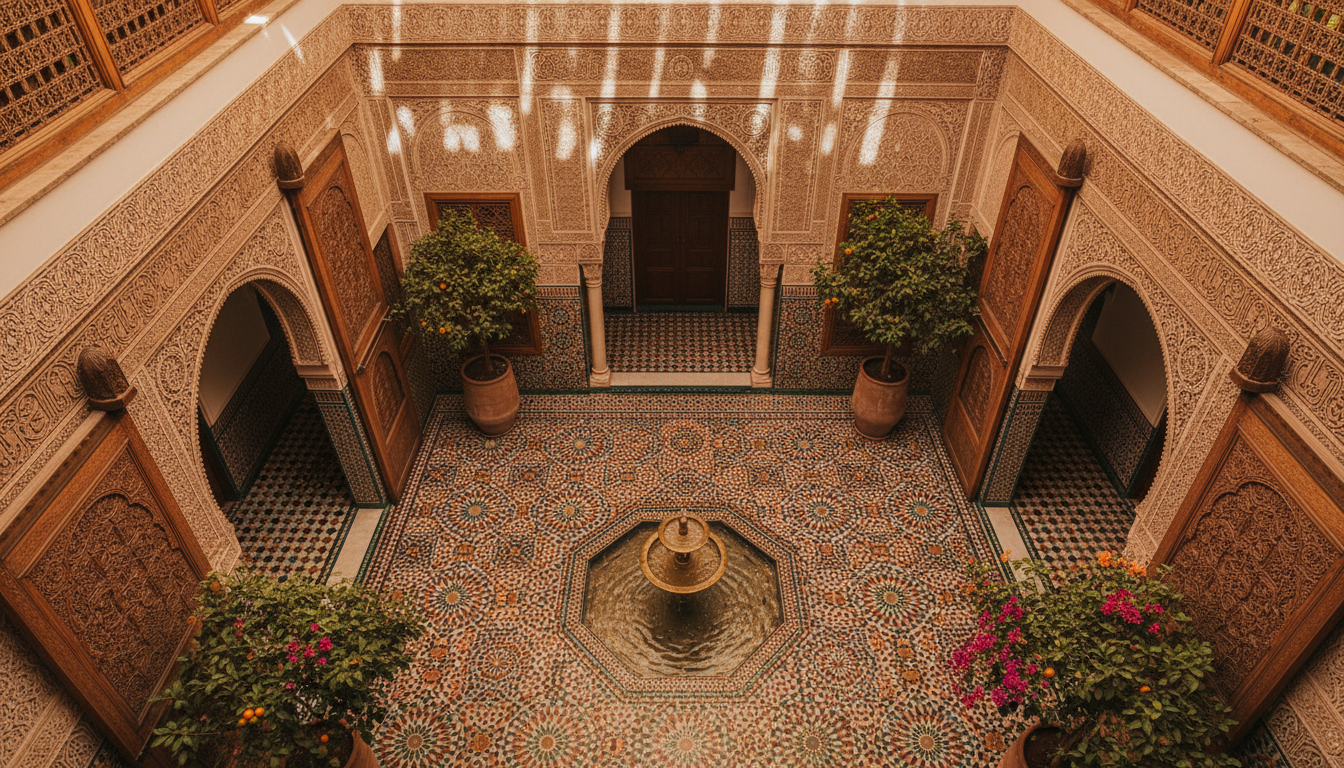
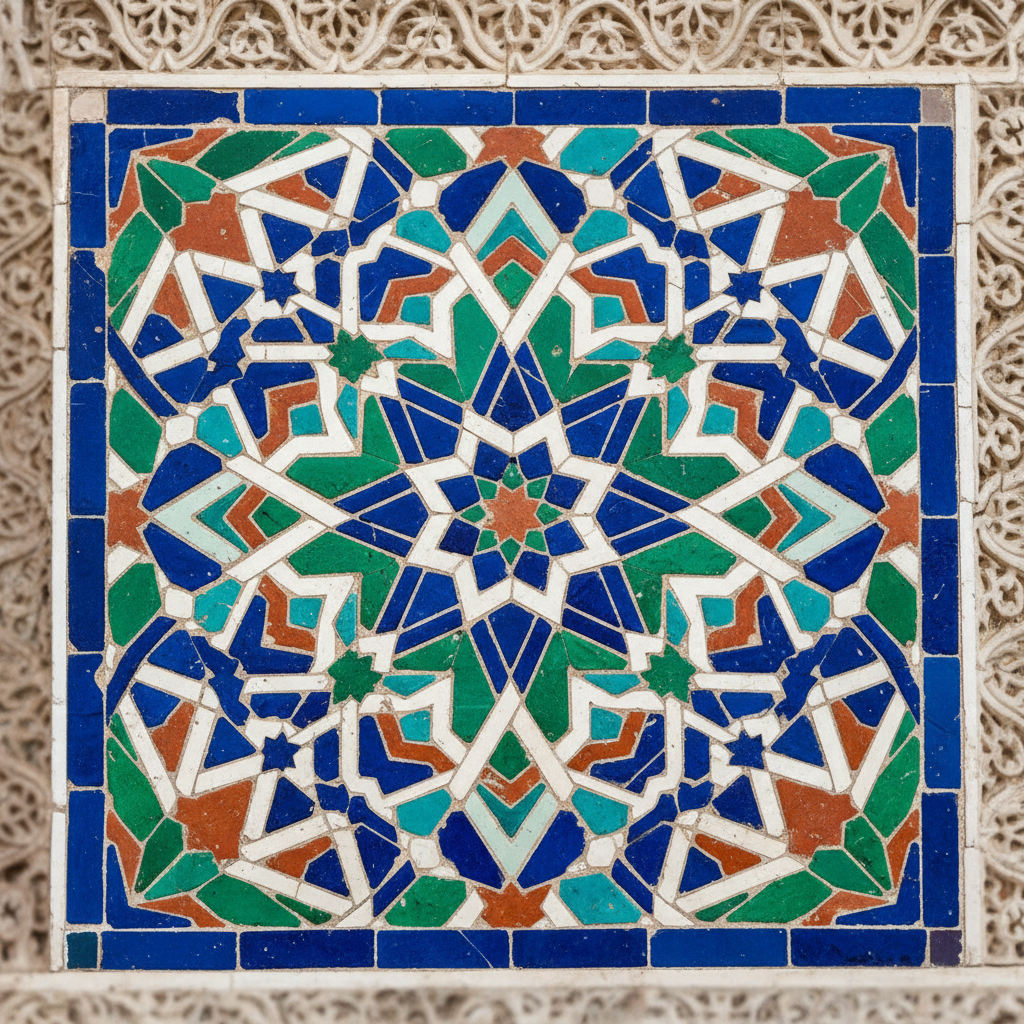
Azulejos, the stunning tin-glazed ceramic tiles, have become synonymous with Portugal, especially Lisbon. Their journey to the Iberian Peninsula began in the 13th century, introduced by the Moors. The word "azulejo" originates from the Arabic word "al-zellige," meaning polished stone, reflecting their intricate geometric designs and vibrant colors.
Initially, these tiles were used primarily in religious and royal settings, adorning the walls of churches, palaces, and important buildings. Their popularity grew during the 16th century when King Manuel I visited Seville and was captivated by their beauty, leading to widespread adoption in Portugal.
The Evolution of Design
Over the centuries, azulejos evolved from simple geometric patterns to more complex and artistic designs. The 17th century witnessed a shift towards blue and white tiles, influenced by Chinese porcelain. This period marked the beginning of narrative azulejos, depicting historical events, religious scenes, and daily life.
During the 18th century, azulejos became more than decorative elements—they transformed into storytelling mediums. Artists began creating large panels that narrated tales of saints, heroic deeds, and mythological stories, turning buildings into open books for the public.
The Cultural Significance
Azulejos are more than just decorative art; they are a part of Portugal's cultural identity. They serve as historical records, capturing the essence of different eras and events. In Lisbon, they adorn buildings, metro stations, and public spaces, offering a unique glimpse into the city’s past.
The tiles have also played a practical role, acting as a protective layer for buildings against the elements. Their durability and reflective properties helped keep interiors cool in the sweltering summer months, showcasing a perfect blend of form and function.

Modern-Day Azulejos
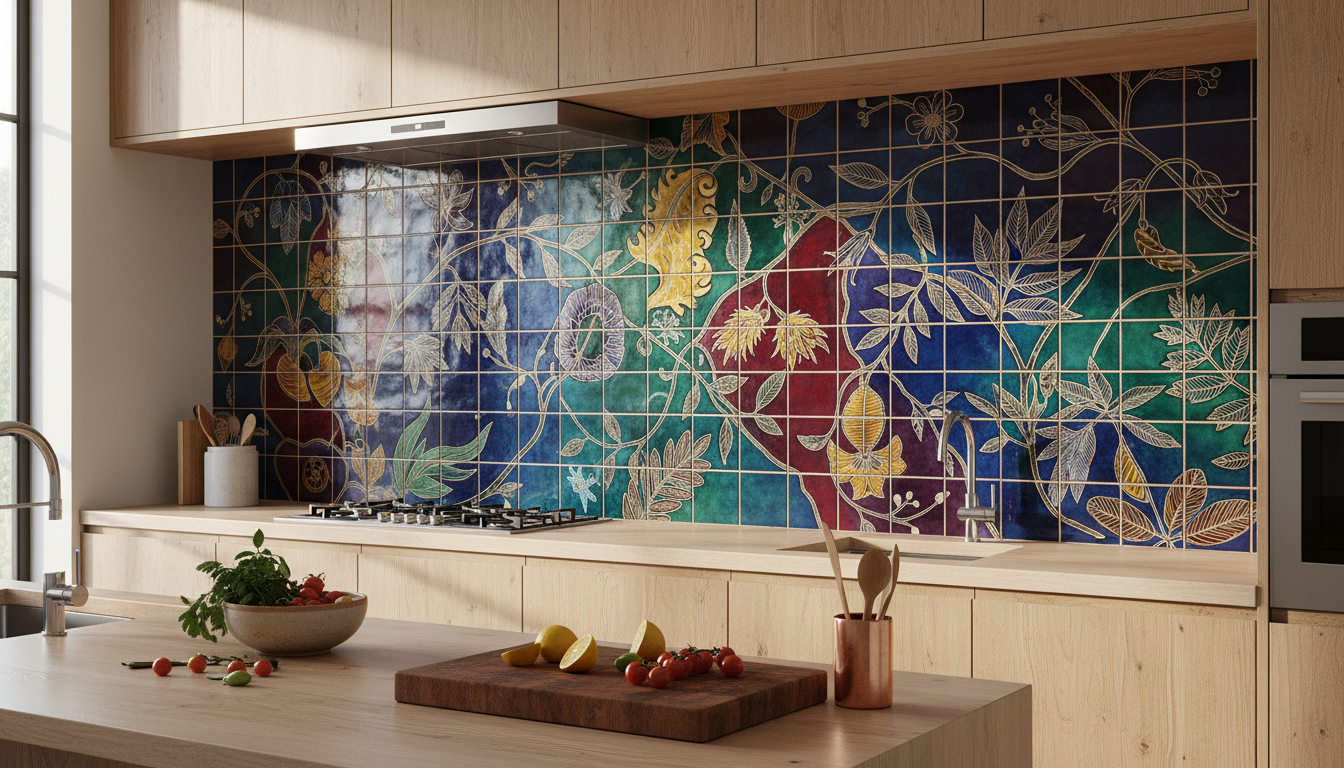
Today, azulejos continue to be an integral part of Portuguese architecture and design. Contemporary artists and designers incorporate them into modern constructions, blending traditional techniques with new creative expressions. This fusion ensures that the art form remains dynamic and relevant.
The revival of azulejos in contemporary design is evident in Lisbon's vibrant neighborhoods. From the traditional facades in Alfama to the modern murals in Bairro Alto, azulejos offer a colorful narrative that connects the past with the present.
Preserving a Heritage
Efforts to preserve azulejos have intensified in recent years, with initiatives aimed at protecting this invaluable heritage from damage and theft. Museums and cultural organizations work tirelessly to restore and conserve these tiles, ensuring that future generations can appreciate their beauty and historical significance.
In Lisbon, several museums, such as the National Tile Museum, are dedicated to showcasing the rich history and artistry of azulejos. They offer visitors a chance to explore the evolution of this craft and its impact on Portuguese culture.
Conclusion
The story of Lisbon's azulejos is a testament to the enduring allure of this art form. These tiles are not merely decorative; they are storytellers, cultural icons, and artistic treasures. As you wander through Lisbon, take a moment to admire the intricate designs and rich history embedded in each tile—a vibrant tapestry of the city's soul.