Exploring Ancient Lisbon: 10 Historic Sites That Reveal Its Past
Lisbon, the stunning capital of Portugal, is a city with a rich tapestry of history. Its ancient roots are reflected in the architecture, culture, and historic landmarks that dot its landscape. For those who are eager to delve into the past, exploring ancient Lisbon offers a fascinating journey through time.
St. George's Castle
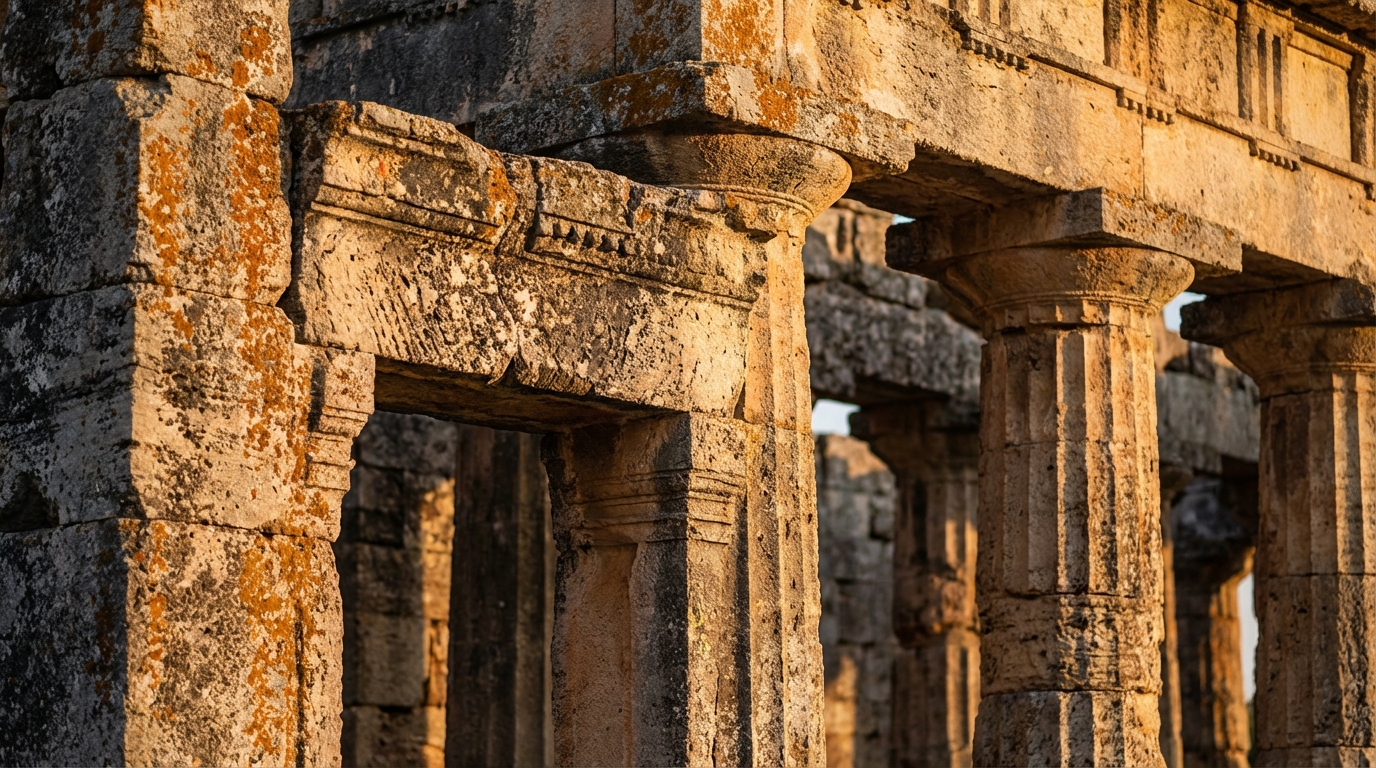
Perched atop one of Lisbon’s highest hills, St. George's Castle provides a panoramic view of the city. This medieval castle has seen many rulers, from the Moors to the Portuguese kings. Walking through its ancient walls, you can almost hear the echoes of battles and celebrations from centuries past.
The Moorish Influence
The Moors left a significant mark on Lisbon, and St. George's Castle is a testament to their architectural prowess. The remnants of Moorish design can still be seen in the castle's towers and arches.
Alfama District
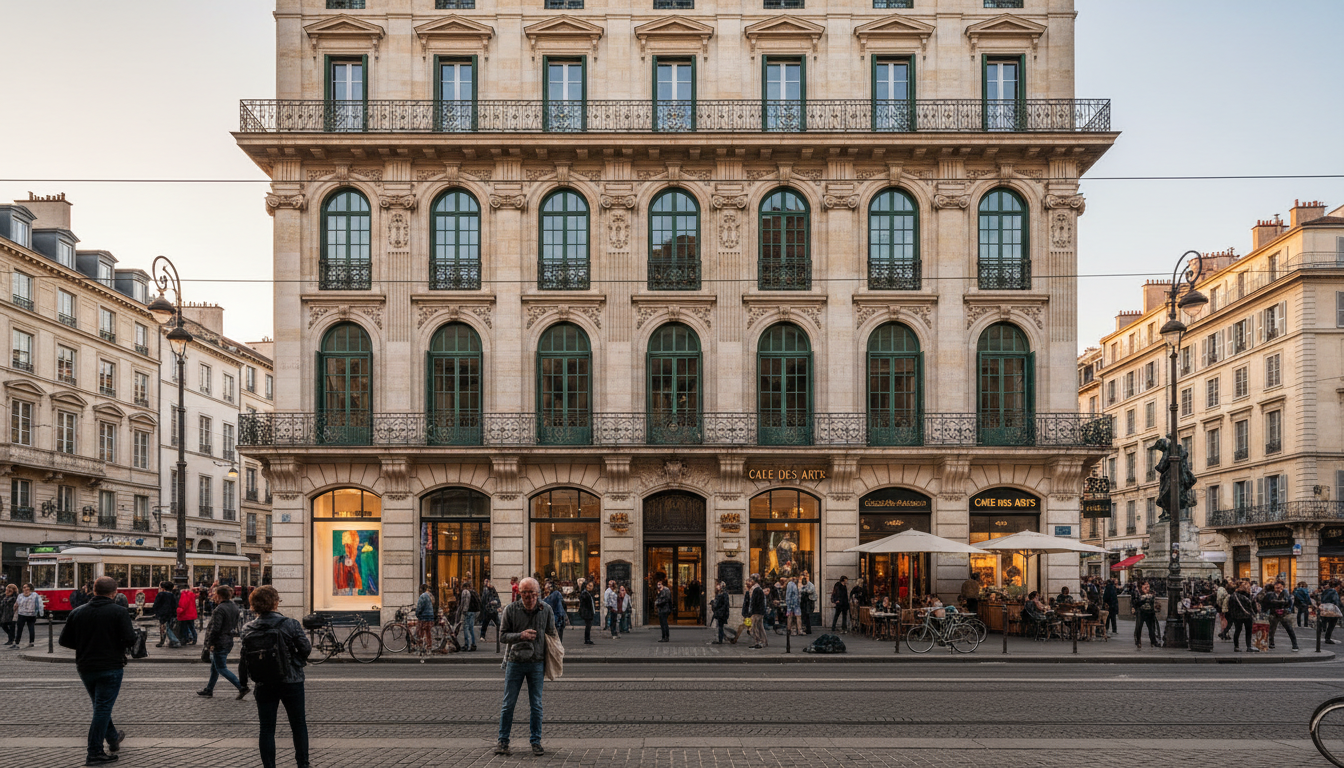
Alfama, Lisbon’s oldest district, is a maze of narrow streets and alleys. It is a living museum of the city’s Moorish past and medieval history. Wandering through Alfama feels like stepping back in time, with its traditional Fado music filling the air and the aroma of grilled sardines wafting from local eateries.
Fado Music
Fado, a traditional form of Portuguese music, finds its heart in Alfama. The soulful tunes narrate tales of longing and nostalgia, perfectly complementing the district's historic ambiance.
Lisbon Cathedral
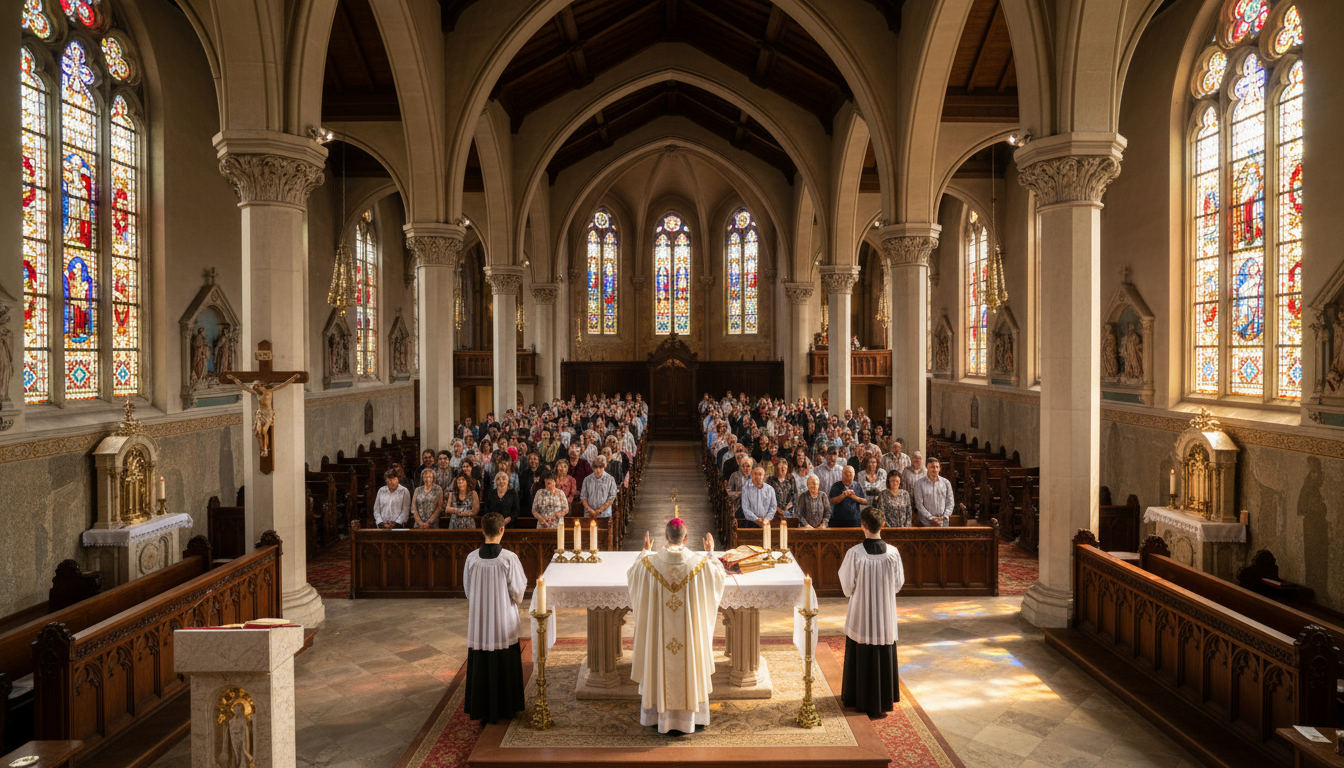
The Lisbon Cathedral, or Sé de Lisboa, is another architectural gem that showcases the city’s ancient history. Built in 1147, it has survived earthquakes and undergone multiple renovations. Its Romanesque facade and Gothic cloisters are a must-see for history enthusiasts.
A Surviving Relic
Despite the passage of time and natural disasters, Lisbon Cathedral remains a vital part of the city’s cultural and religious landscape. Visitors can explore its beautiful chapels and admire the intricate stained glass windows.
Belem Tower
A symbol of Portugal’s Age of Discovery, the Belem Tower stands majestically on the Tagus River. Built in the early 16th century, it served as a fortress and ceremonial gateway to Lisbon. Its unique Manueline architecture is adorned with maritime motifs, reflecting the city’s seafaring history.
The Age of Exploration
The Belem Tower is a reminder of Portugal’s pivotal role in global exploration. It’s a place where history buffs can imagine the days when explorers set sail to chart unknown territories.
Carmo Convent
The Carmo Convent offers a glimpse into the impact of the 1755 Lisbon earthquake. Its roofless nave stands as a haunting reminder of the devastation, while the archaeological museum housed within tells stories of the city’s resilience.
- The convent’s Gothic architecture is both beautiful and eerie.
- It serves as a poignant symbol of Lisbon’s ability to rebuild and recover.
Exploring ancient Lisbon is a journey through time that reveals the city’s rich and varied history. Each historic site tells a story of resilience, culture, and transformation, inviting visitors to immerse themselves in the past.