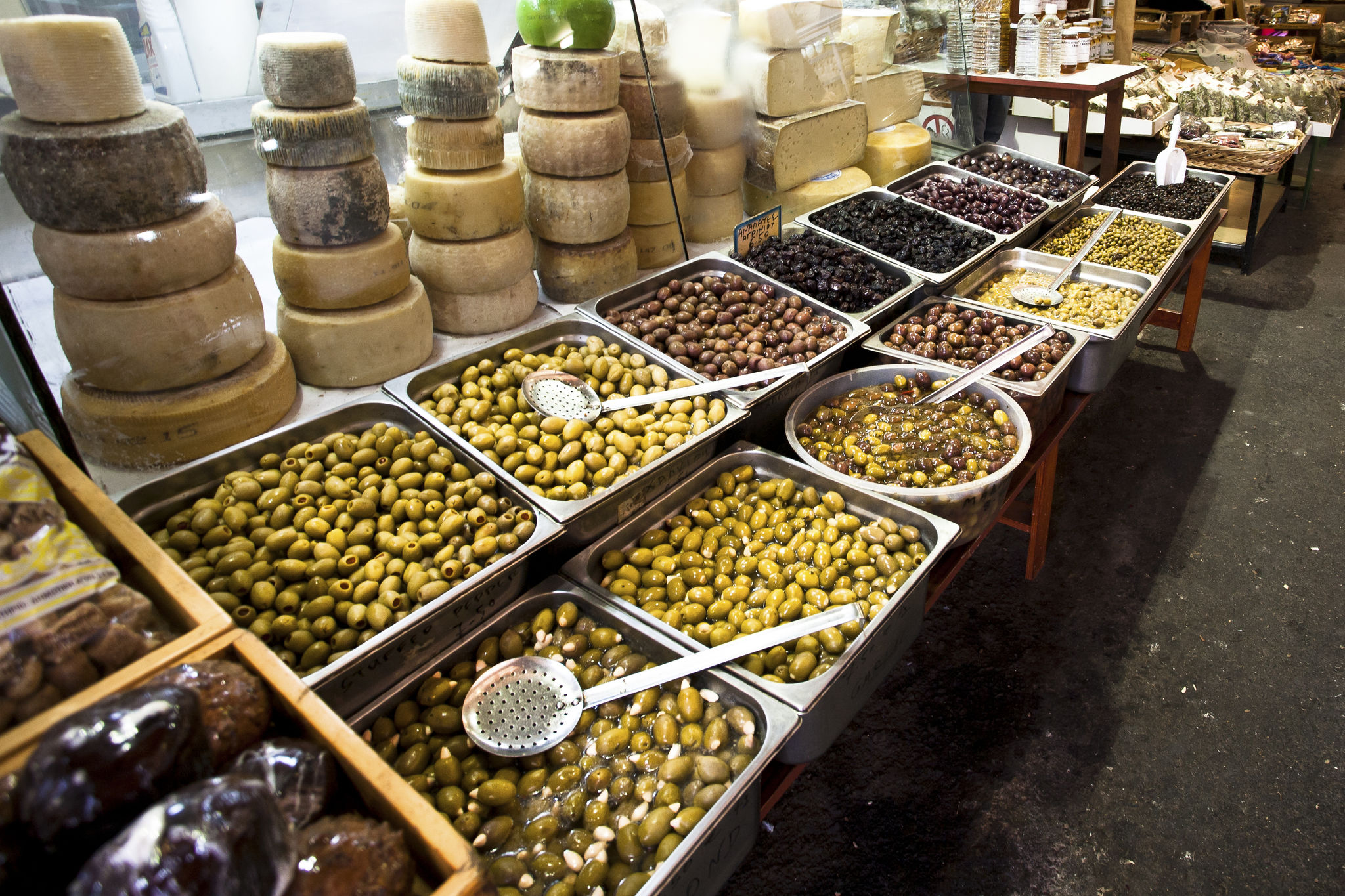
A Seasonal Guide to Greek Cuisine: What to Taste and Where
An Introduction to Greek Seasonal Cuisine
Greek cuisine is a delightful journey through flavors, aromas, and traditions that change with the seasons. The Mediterranean climate of Greece allows for a rich diversity of fresh produce, making each season a new opportunity to savor different dishes. From spring's vibrant greens to winter's hearty stews, Greek food is a celebration of the land and sea.

Spring: A Celebration of Freshness
As the land awakens from winter, spring in Greece brings an abundance of fresh herbs and vegetables. One must-try dish is horta, a medley of wild greens often served with a squeeze of lemon. Another springtime favorite is dolmades, grape leaves stuffed with rice and herbs, offering a taste of the season's bounty.
In the islands, you'll find fresh artichokes cooked in olive oil, an epitome of spring freshness. Pair these dishes with a glass of retsina, a traditional Greek wine with a distinct pine aroma, for an authentic experience.

Summer: The Season of Abundance
Summer in Greece is synonymous with sun-ripened tomatoes, cucumbers, and peppers. This is the time to enjoy Greek salad, known locally as horiatiki, which captures the essence of summer in every bite. Tzatziki, a refreshing yogurt and cucumber dip, is perfect for hot days.
On the coastal regions, summer is also the peak season for fresh seafood. Grilled octopus and fried calamari are must-tries for seafood lovers. Finish your meal with a slice of watermelon, often enjoyed as a dessert or snack during the warmer months.

Autumn: A Time for Rich Flavors
The arrival of autumn brings heartier ingredients like pumpkins, mushrooms, and chestnuts. One beloved dish is moussaka, a layered casserole with eggplant, minced meat, and béchamel sauce. It's the perfect comfort food as the temperatures begin to drop.
Kastano, or chestnut, becomes a popular ingredient in both sweet and savory dishes. Don't miss trying giouvetsi, a slow-cooked lamb or beef stew with orzo pasta, which embodies the rich flavors of autumn.

Winter: Warming and Hearty Dishes
Winter in Greece calls for warming dishes that nourish the soul. Popular choices include souvlaki, grilled skewer meat often served with pita bread and sauces. Another winter staple is fasolada, a hearty bean soup considered by many as Greece's national dish.
Pork is widely consumed during winter festivities, especially during Christmas. Traditional dishes like apokriatiko gourounopoulo (roast piglet) are often prepared for special occasions.

Where to Experience Greek Seasonal Cuisine
To truly appreciate seasonal Greek cuisine, it's best to explore local tavernas and family-run restaurants. In Athens, neighborhoods like Plaka and Monastiraki offer numerous options where traditional recipes are cherished.
The islands, such as Crete and Santorini, provide unique culinary experiences with their local specialties. In Crete, the use of wild herbs and cheeses in dishes reflects the island's rich agricultural traditions. Santorini's volcanic soil enhances the flavors of its famous cherry tomatoes and fava beans.

Conclusion: A Year-Round Culinary Journey
Greek cuisine is more than just food; it's an expression of the country's culture and history. Each season offers its own unique flavors and traditions, inviting you to explore the diversity of Greece's culinary landscape. Whether you're visiting vibrant markets or dining by the sea, Greek cuisine promises a memorable gastronomic adventure throughout the year.
Next time you plan your visit to Greece, make sure to indulge in its seasonal offerings for an authentic taste of this Mediterranean paradise.